Battle of Preveza (1538)
September 28, 1538 — The day that sealed Ottoman mastery of the Mediterranean
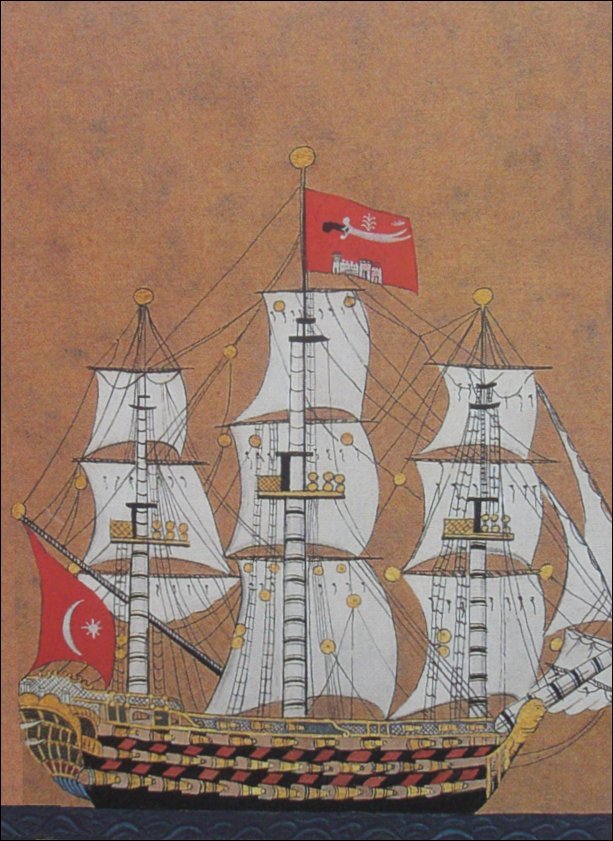
The Road to War
By the late 1530s, the balance of power in the Mediterranean was shifting. Hayreddin Barbarossa's transformation of the Ottoman navy into a formidable fighting force had alarmed every major European power.
At the urging of Pope Paul III, the navies of Venice, Spain, Genoa, the Knights of Malta, and the Papacy united to form a grand Holy League fleet. Command was given to the Genoese admiral Andrea Doria.
Forces Comparison
Ottoman Fleet
- Commander: Hayreddin Barbarossa
- Ships: ~122 galleys
- Troops: ~20,000 sailors and soldiers
- Position: Preveza (western Greece)
- Advantage: Speed, maneuverability, experience
- Key officers: Turgut Reis, Salih Reis, Sinan Reis
Holy League Fleet
- Commander: Andrea Doria (Genoa)
- Ships: ~302 (162 galleys + 140 support)
- Troops: ~60,000 sailors and soldiers
- Members: Venice, Spain, Papacy, Genoa, Malta
- Weakness: No coordination between allies
The Course of Battle
On the morning of September 28, 1538, Barbarossa positioned his fleet at the mouth of the Gulf of Preveza. Despite being outnumbered nearly three to one, he employed a masterful sequence of tactics:
- Wind advantage: Barbarossa positioned himself close to shore, securing the wind at his back
- Crescent formation: He arrayed his fleet in a crescent, creating an enveloping position
- Center strike: He directed his main force against the Venetian ships — the weakest link
- Doria's hesitation: The Genoese admiral entered the battle late and then withdrew
- Decisive victory: The Holy League fleet scattered; dozens of ships were sunk or captured
"The victory at Preveza was the single greatest step in making the Mediterranean an Ottoman sea."
Results
- Ottoman naval supremacy over the Mediterranean was firmly established
- Venice was forced to sue for peace (1540), ceding Aegean territories and paying heavy indemnities
- The Ottoman fleet remained undefeated for 33 years — until the Battle of Lepanto in 1571
- Barbarossa's genius as a naval commander was recognized across the world
- Turkish Naval Forces Day is celebrated on September 27 in memory of this victory
Historical Significance
Preveza was not merely a naval engagement — it was a turning point in world history. The victory gave the Ottoman Empire control of Mediterranean trade routes and consolidated its hold over North Africa. The Holy League alliance dissolved in mutual recriminations, with Andrea Doria accused of cowardice and betrayal.
Every year on September 27, the Turkish Navy commemorates this date as Naval Forces Day, marking the appointment of Barbarossa as Grand Admiral — an event inseparable from the triumph at Preveza.
Related Pages
Frequently Asked Questions
When did the Battle of Preveza take place?
On September 28, 1538, near the town of Preveza on the western coast of Greece.
Who won the battle?
The Ottoman fleet under Hayreddin Barbarossa won a decisive victory over the far larger Holy League fleet.
Why was Preveza important?
It established Ottoman naval supremacy over the Mediterranean for 33 years. Venice was forced to sign a humiliating peace treaty in 1540. Turkish Naval Forces Day (September 27) commemorates this victory.
Who was Andrea Doria?
The Genoese admiral who commanded the Holy League fleet. He entered the battle late and withdrew without engaging fully, leaving the Venetian and Papal ships to be destroyed — a critical factor in the defeat.